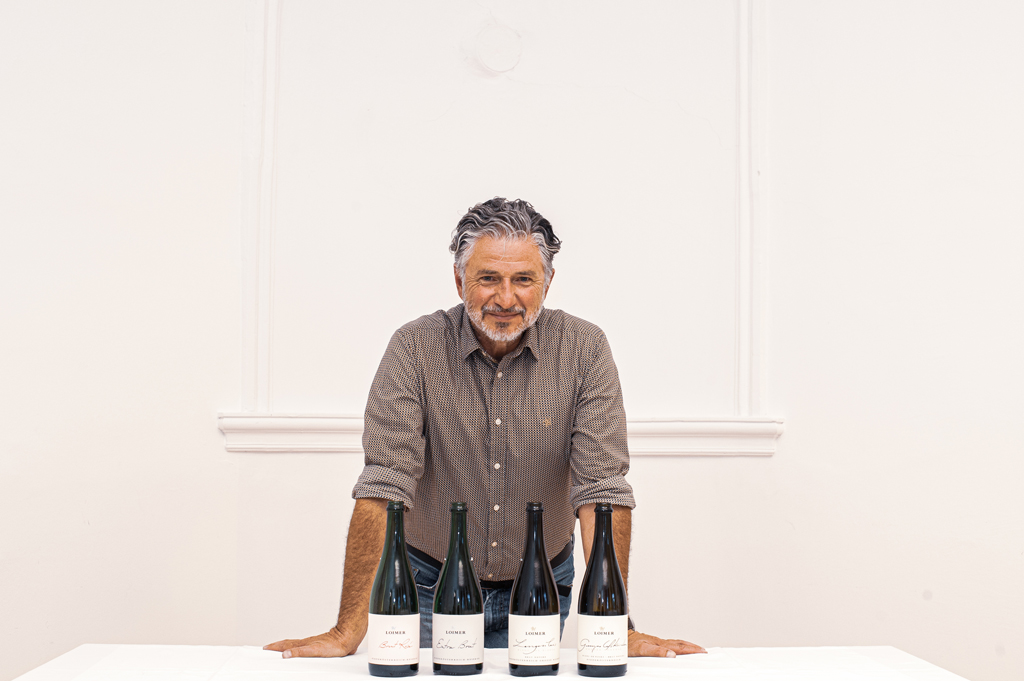


Biodynamic pioneer Fred Loimer hasn’t simply incorporated regenerative farming into his Langenlois vineyards. He’s created the Loimer Forum-Regenerative to share knowledge, ideas and more across the land – and communities – of Austria’s Kamptal region.
“Just as the farmer needs tools to cultivate the soil, the social farmers – by which I mean all of us – also need tools and practices that allow us to cultivate the quality of the social soil,” explains winemaker Fred Loimer. “By which we mean the quality of our relationships, and the quality of our awareness that we are operating from.”
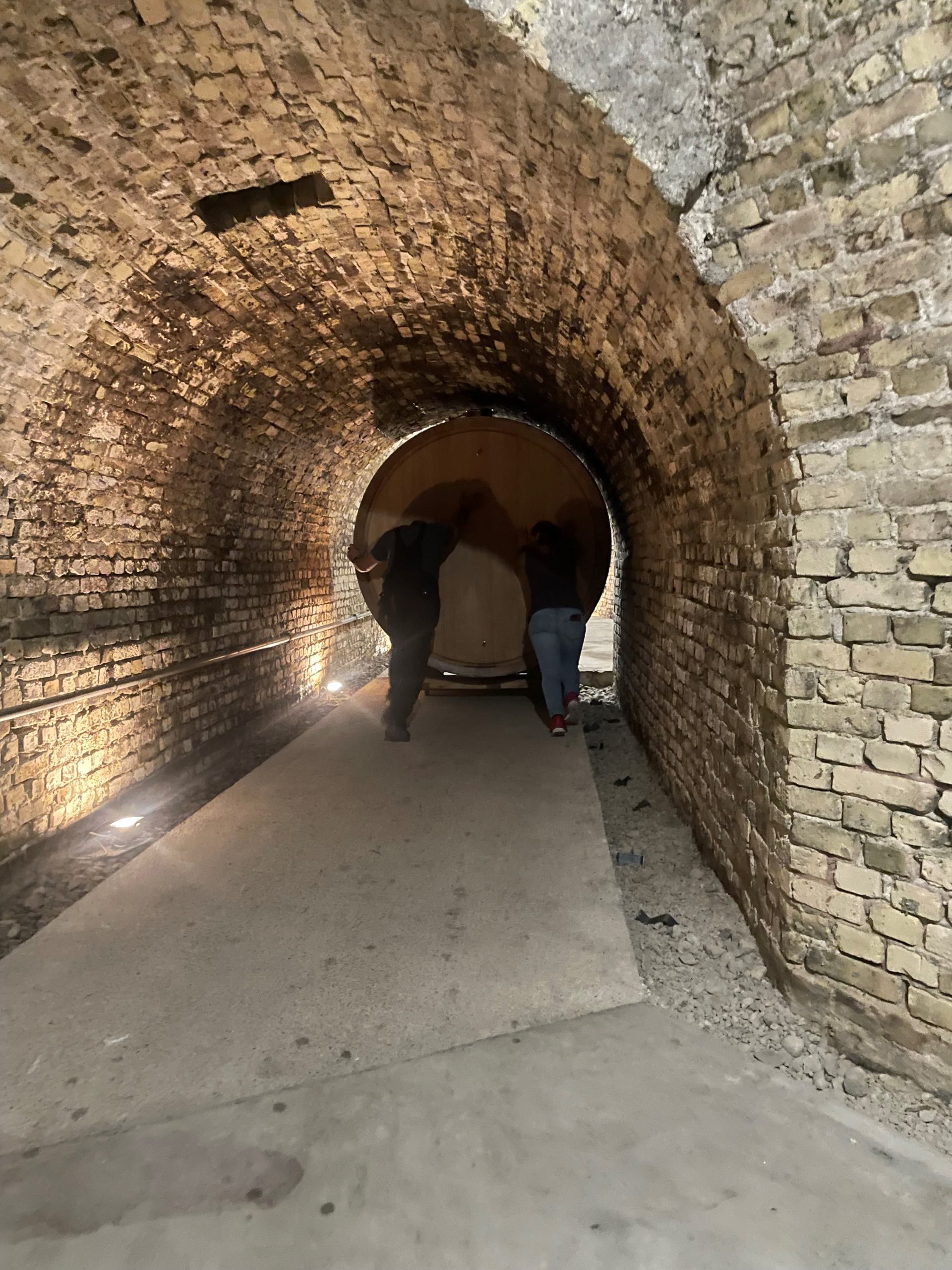
Regenerative farming can be a nebulous concept to explain, spanning, as it does, so many parts of work, life and land. But that’s not the sort of challenge to discourage Fred Loimer. After taking over his family’s vineyards in 1997, Fred soon made waves on the Austrian wine scene for ageing his Grüner Veltliner in barriques and, in 2000, for commissioning a minimalist black cube as a new tasting room atop an old, hand-dug loess cellar – a new sort of sight among the local vineyards.
In 2006, Fred began working biodynamically in his six Erste Lagen vineyards across the small but revered Kamptal region, in Lower Austria. He quickly became a champion for the movement, co-founding the respekt-BIODYN collective the following year.
“From then on we steadily developed our system, one step at a time,” he says. “New ideas and new practices emerge all the time. It’s a journey and a trial-and-error system, with a highly emotional part.”
Fred finds regenerative agriculture to be a natural progression from biodynamics.
“For me, all practices that focus on the main resources, which are the interactions of the farmer with soil and biodiversity, are based more or less on the “Agriculture Course” of Rudolf Steiner from 1924,” he says. “And this course, in turn, is based on a holistic way of thinking and living. Many forms of farming have evolved from that course and are based on the understanding that nature is a complex system. For us, the course is an inspiration to our way of thinking and not just a manual or guideline to farming.”
Regenerative farming today
Is there an easy way of describing regenerative farming?
“Is it a new term? A new way of cultivating the land? One might ask. I personally would see it as a holistic way of thinking in a very complex system – which nature is.”
What does it mean for you in practice?
“First of all, you operate following a precautionary principle approach: in any complex system, every step you take or measure you make will show or cause a reaction. What we often can’t evaluate is the extent of the effect on the complex system. Hence why the second principle is just as important: “think twice before you act!” Which in practice translates to:
“In the vineyards – grow what grows best in/on your place, aim to raise biodiversity, care about soil-life, care about the environment as a whole.
“As humans – be wide awake in your observations, create awareness and develop sound judgement. Also find a balance between manual and technical work; pay an enormous amount of attention to detail and the effects of your actions on the whole environment.”
“Biodynamic cultivation of the land is a mindset – not a way of working but a way of thinking and living.”
Do you employ these principles in all your vineyards, or only some?
“In biodynamic farming, at the very core of the philosophy is the human being – it’s not just about applying new tools and practices. So it’s not like in conventional farming, where you can work one vineyard in this way and the next in a completely different way. Biodynamic cultivation of the land is actually a mindset! It’s not a way of working but a way of thinking and living.”
Does regenerative farming create more work?
“YES! But more meaningful work. A work with purpose!”
What’s the benefit?
“Good health and wellbeing for human beings as well as for the cultured land and the whole environment.”
What do you wish people understood about regenerative farming?
“It is the only way of cultivating land which will have a future and create a future. Life in an ecological context is rooted in soil. Farming has to go beyond sustainability and aim for regeneration. And that is exactly what regenerative farming does.”
What are the tools available for learning about it?
“Awareness! That’s the most important tool.”
Can you taste the difference in the resulting wines?
“Yes, and it is a great outcome. You can taste and feel the difference: one can sense the liveliness, vibrancy, harmony, clarity and precision. I think you can taste the purpose of the work.”
The Loimer Forum-Regenerative
The Loimer Forum-Regenerative is a recent project encouraging friends, colleagues and neighbours to join forces and share ideas, insights and developments on all relevant topics. Through masterclasses, virtual “deep-dives” and community gatherings, the goal is to create conversation and develop everyone’s understanding of what will help the vines – of course — but also the land more broadly, social cohesion and more.
“In the Forum-Regenerative, we are inviting people we are working and partnering with from all industries and disciplines, and people from all walks and talks of life, so that together we can cultivate diversity to create a regenerative way of engaging with and creating a future for us all,” Fred tells us.
“We will focus on regenerative biodynamic viticulture and farming as well as many other applications of regenerative thinking and acting. So, actually we would love to hear from anyone who would like to make a contribution. The Forum-Regenerative will offer space to engage in person as well as virtually.”
When I last wrote on here we were moving into the strength of summer. Now we are in the middle of the 2025 harvest and moving towards the calmer days on the estate. We’re also turning a page in the next chapter of the LOIMER Forum-Regenerative.
This initiative is more than viticulture. It’s about cultivating diversity, sustainability, and regeneration—in our vineyards and in our communities.
The LOIMER Forum-Regenerative is a space where partners, clients, friends, and community members come together to:
✨ Exchange knowledge and experience on regenerative viticulture
✨ Cross-pollinate ideas across disciplines
✨ Engage in practices that nurture human and planetary flourish.
Planting not only vines and trees, but also the seeds of ideas that support positive change to meet the challenges of today.
Our community formats include:
📚 Masterclasses – updates from the LOIMER estate & shared learnings from global partners
🔎 Deep Dives – virtual sessions with experts in regenerative disciplines and fields to plant and grow diversity in thinking and acting
🤝 Community Space – both virtual and in-person gatherings to offer a space where we change the social soil: building the social connections so they become rich grounds for what we need now.
We’ll share more details about upcoming activities. Until then, we invite you to stay connected, join the dialogue, and help co-create what comes next.
Let us know what you are interested in when talking about regenerative practices.
– and in the meteorological calendar, it will arrive on Sunday. For us biodynamic winegrowers, seasonal thinking and action are important, and we experience the seasons intensively.
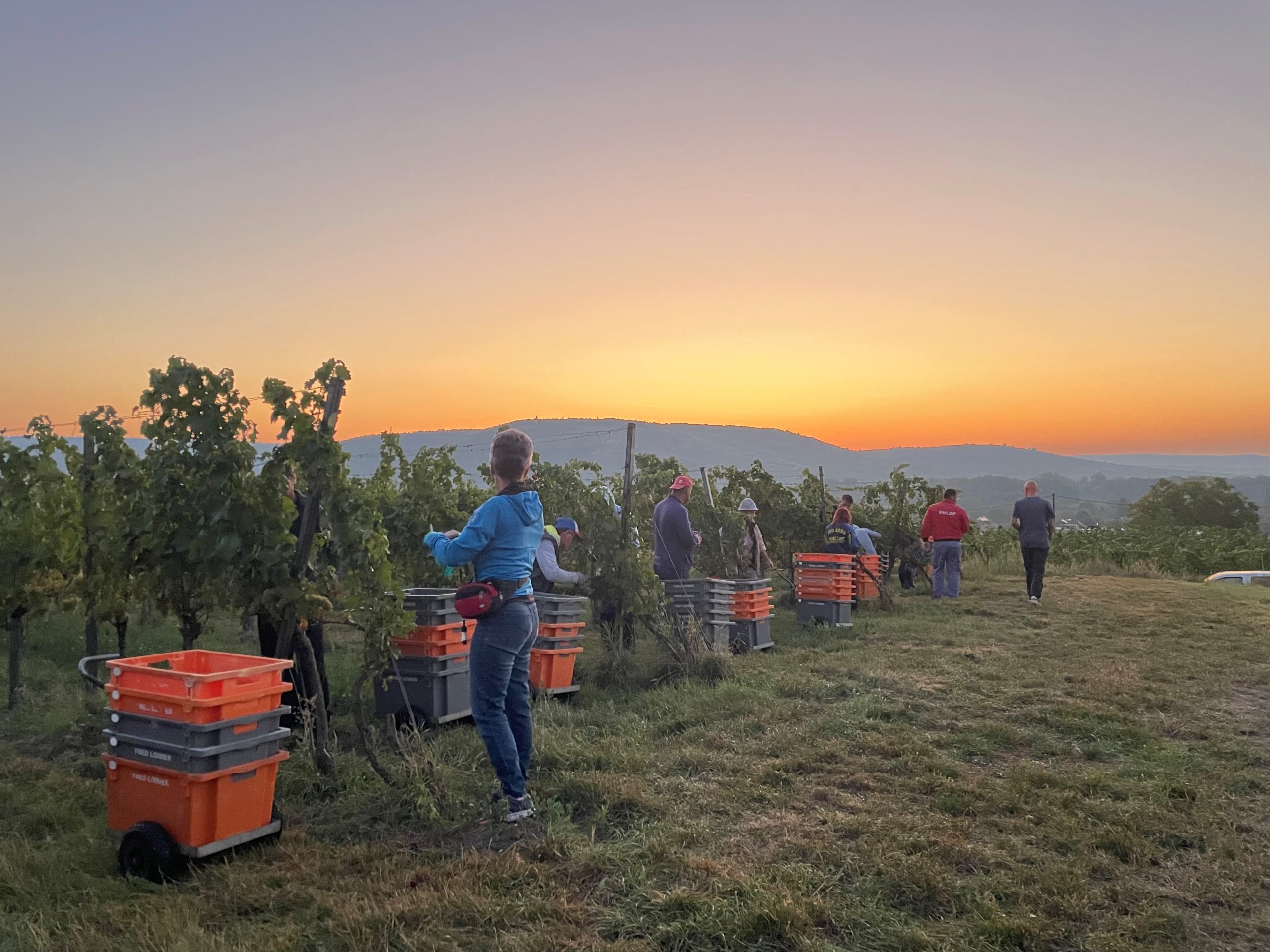
There are still cool, clear mornings in the vineyard, and when the sun is on the horizon, we are beginning to look forward to what lies ahead.
The power of summer can also be felt here at the winery: we look to the future with courage . (Almost) everyone is talking about the poly crisis at the moment and it is difficult not to get caught up in it. But we are taking a different path, and we are doing so very consciously.
We are thinking a lot about the future and recognize more and more that the path of biodynamic viticulture that we embarked on 20 years ago has led to regenerative thinking and action. This is how we face up to our responsibility to work in a sustainable, regenerative, resource-conserving and constructive way.
In spring, we planted over 200 trees in some of our vineyards to ensure greater biodiversity. This is called Vitiforst and our aim is to restore and re-create a part of the vine’s original habitat.
And so we are also taking pencil and paper to let you all know that we are not just planting vines, picking grapes and making good wine here.
In future, we want to create space together for more regenerative thinking and action, not just planting trees and vines, but also ideas to create positive change together. In our mind this is particularly important for all of us in order to face challenges and use them to our advantage in the current overall climate.
We are looking forward to what lies ahead, together we want to break new ground. Our “Forum-Regenerative” is in it’s inception and we are looking forward to sharing more with you soon.
We would love to hear your ideas and thoughts.
Here’s to a beautiful and (bio)diverse future!
respekt-JOHANNI 2024
Biodynamics is more than just an agricultural concept. It is above all a holistic way of living in harmony with nature and it’s seasons. An emotion, enthusiasm, and a feeling. It’s this enthusiasm, which we enjoy celebrating and sharing around JOHANNI, an important biodynamic day around summer solstice.
This one stands out from all previous JOHANNI celebrations.
A journey through time
100-60-25-15
…a journey that began 100 years ago, back to the year 1924, the beginning of biodynamics.
… a journey back 60 years to June 1964, the year Fred was born.
… a journey in which we look back on 25 years of the Loimer winery at its current location.
… a journey that also took us to the founding of respekt-BIODYN 15 years ago.
We tasted wines, which not only made us look back with gratitude, but we also came together to talk about the future and perspectives of wine and biodynamics. To us openness, curiosity and courage for new ways are particularly important, as biodynamics always means further development. In this regard we take our responsibility for the ecosystems of soil, plants, animals and human beings in the context of our holistic cosmos very seriously. This means ecological, economical, societal, and emotional sustainability.
This is how we will lean into the current and future challenges with future proof ideas and methods.
We had a great time and we would like to thank all our guests, friends, partners and contributors and are looking forward to meeting the future together with you!
Immerse yourself in the journey through time and experience the feeling of JOHANNI.
Grape varieties and vinification styles come and go, but the soil stays, writes Fred Loimer, who sees a great opportunity and future in origin marketing.
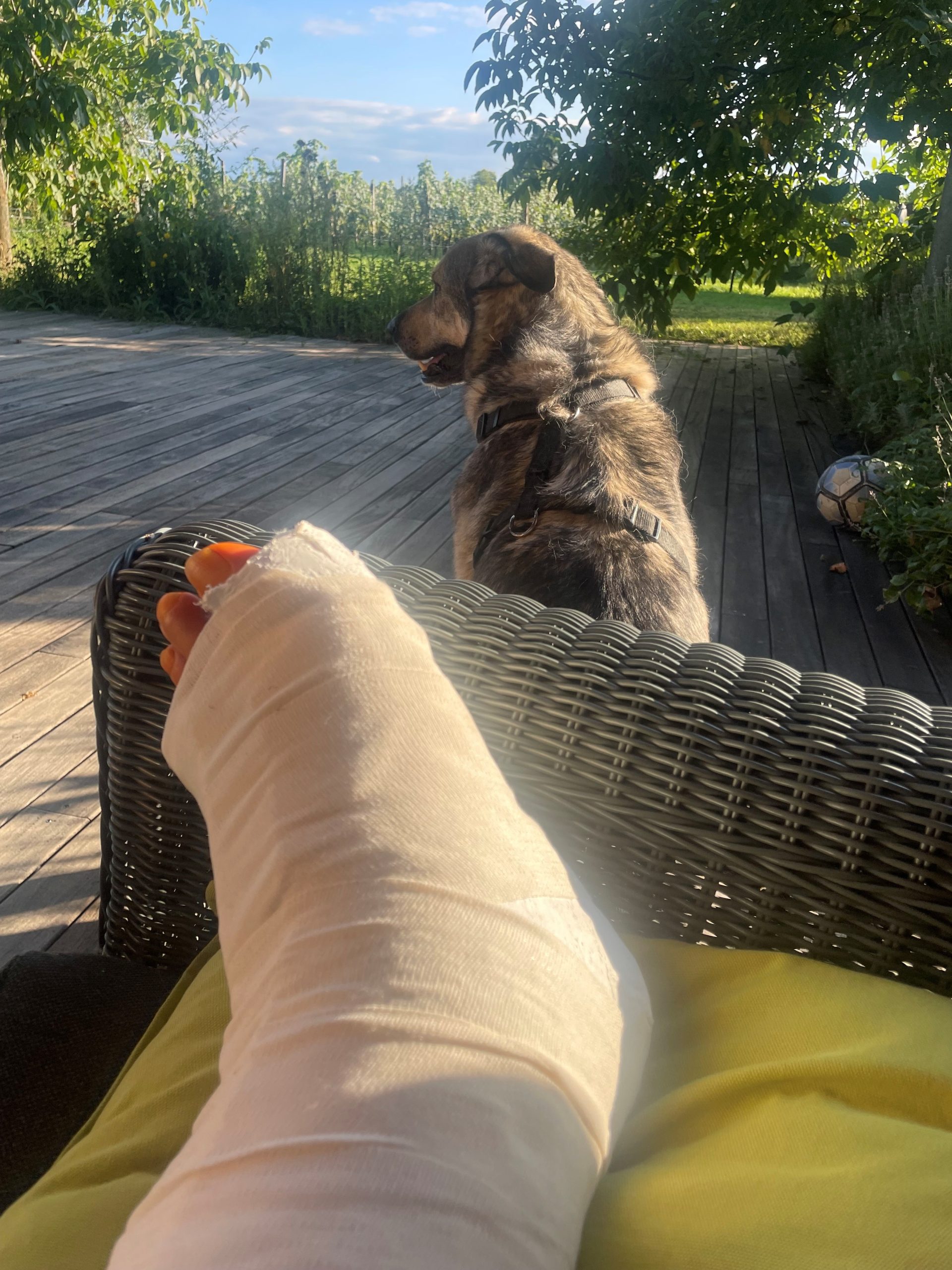
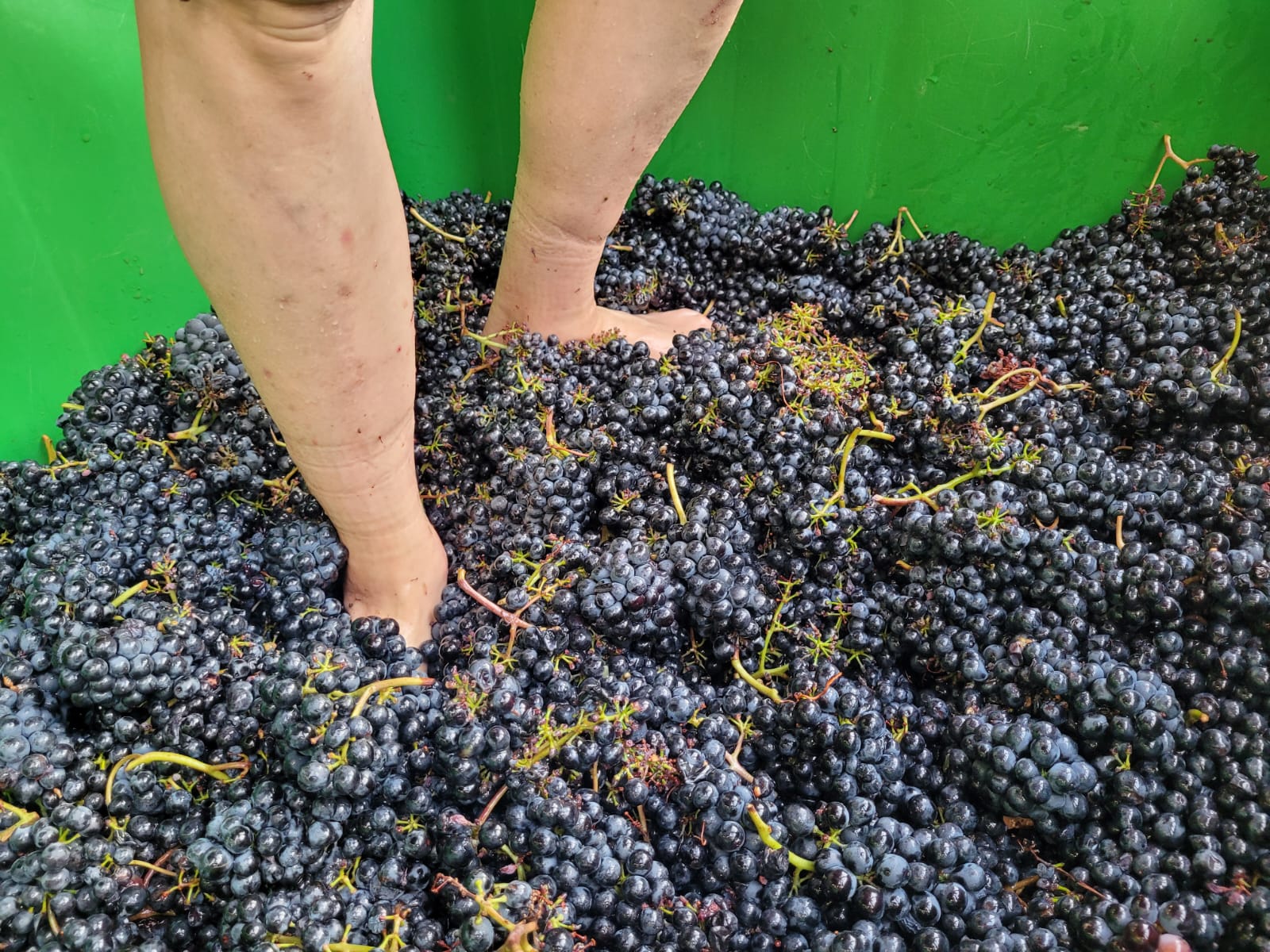
Everything perfect till September 2nd, 9 am – Fred Loimer has broken his leg during a dog walk (Bruno wanted to hunt …) and September 13th bad hail damaged around 30%. So, a interesting start in harvest 2023…
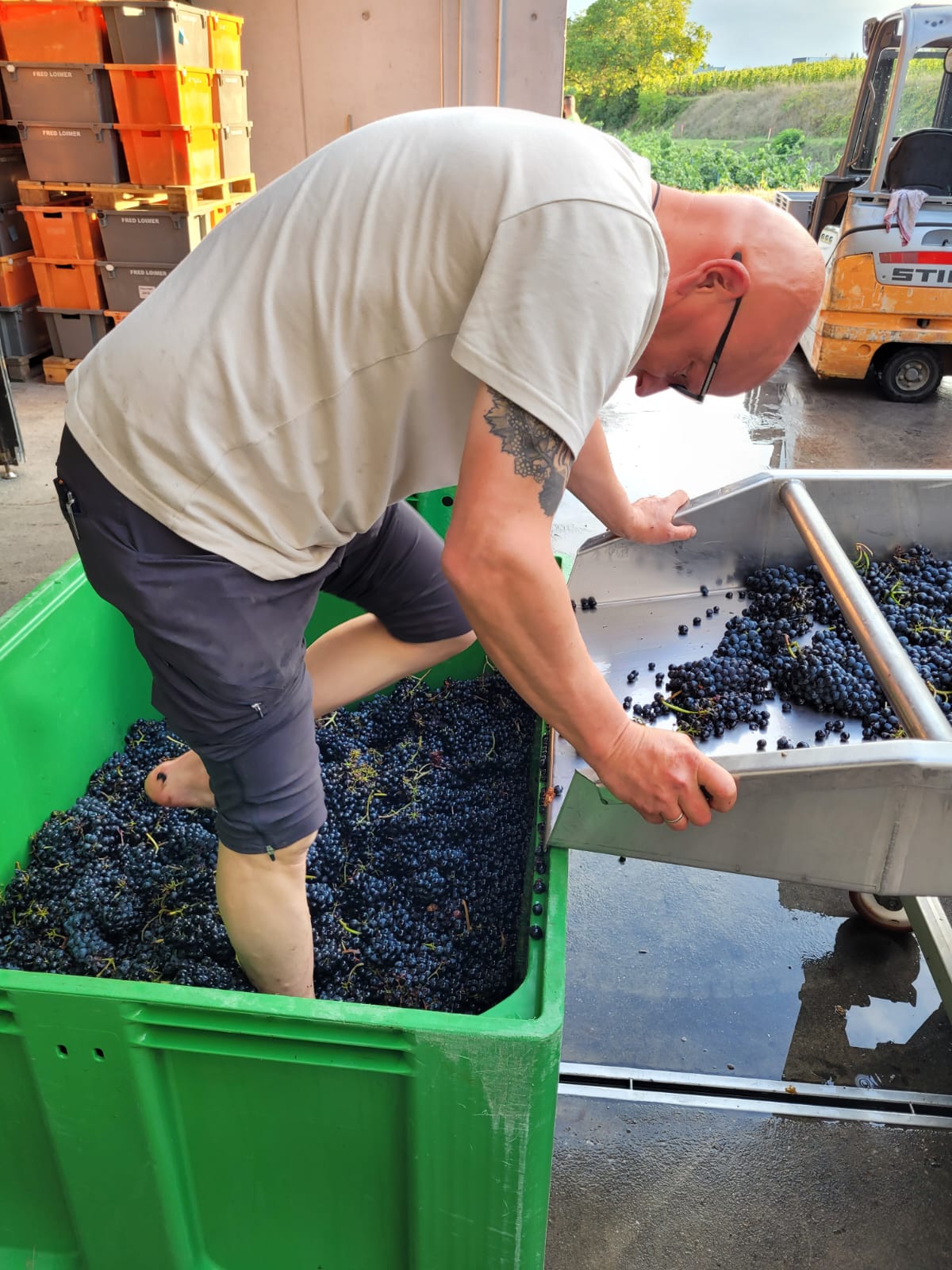
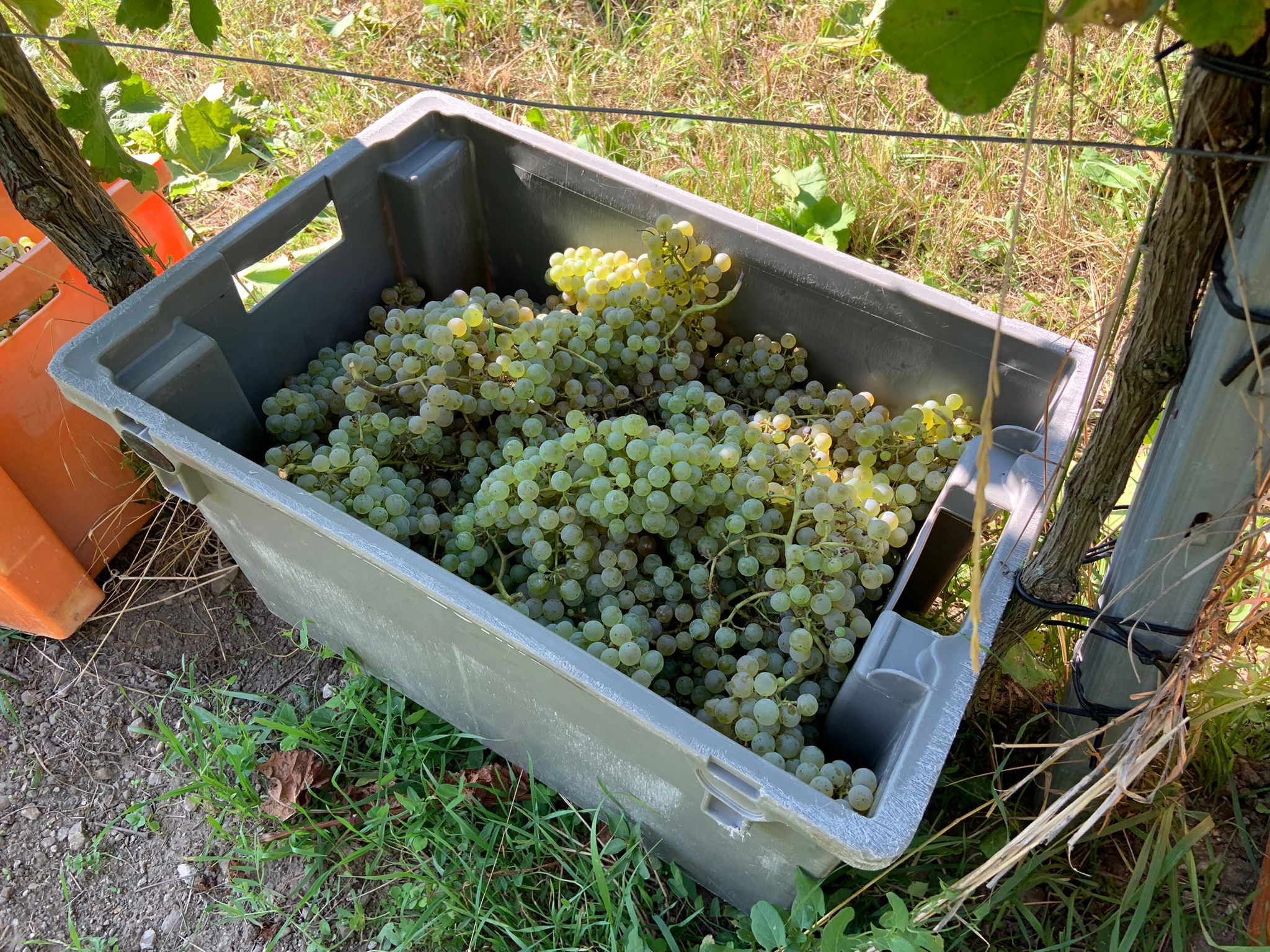
Grapes for pet nat and Sekt are in. We started today, September 21 with Grüner Veltliner for Kamptal. Weather forecast is great, no rain for next 2 weeks.
Fred Loimer im Interview mit Wolfgang Staudt
“Fred Loimer – auf leise, subtile und wahrhaftige Art große Spuren hinterlassen”
Wir verwenden Cookies, um sicherzustellen, dass wir Ihnen die beste Erfahrung auf unserer Website bieten können. Wenn Sie diese Website weiterhin nutzen, gehen wir davon aus, dass Sie damit einverstanden sind.OkDatenschutz