

As we moved into the New Year and enjoyed some quiet days on the LOIMER estate we also enjoyed the reflections on what is behind and what is ahead. That moment of pausing, just like in nature, where winter is a time of calm is of huge value to us. And that in turn throws us right back to where our work begins: to the awareness of us – human beings as well as us – bio-dynamic and regenerative winemakers – being part of a bigger and complex system.
2025 was a great year for us to sharpen our focus and applying ourselves to our role in this bigger and complex system – NATURE – with responsibility, curiosity, hope, and also a pinch of passion. We have been very fortunate to have been inspired by some visionaries, thinkers and doers in our world of winemaking and far beyond. And this has shaped our commitment to 2026: we will own our responsibility to regenerative viticulture, what that means to us here on the estate, in the relationship to our partners and clients, and to us as part of our community and society.
So to everyone as part of our community on here we wish you an inspired, fruitful and impactful 2026 (which is also shaped by the awareness that together we can all shape our future.)
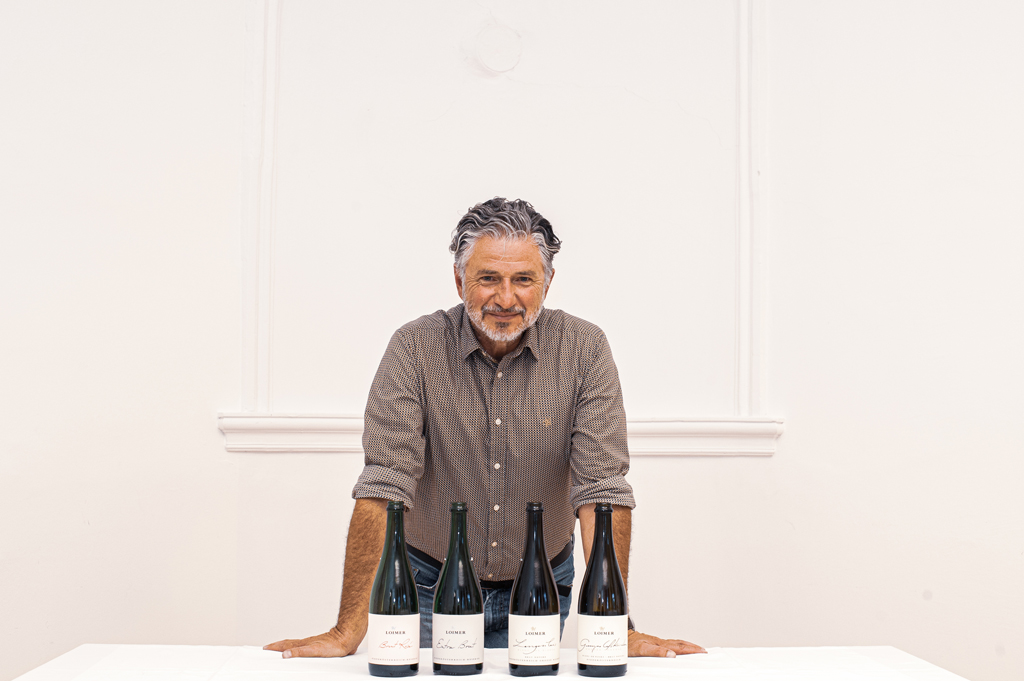
Biodynamic pioneer Fred Loimer hasn’t simply incorporated regenerative farming into his Langenlois vineyards. He’s created the Loimer Forum-Regenerative to share knowledge, ideas and more across the land – and communities – of Austria’s Kamptal region.
“Just as the farmer needs tools to cultivate the soil, the social farmers – by which I mean all of us – also need tools and practices that allow us to cultivate the quality of the social soil,” explains winemaker Fred Loimer. “By which we mean the quality of our relationships, and the quality of our awareness that we are operating from.”
Regenerative farming can be a nebulous concept to explain, spanning, as it does, so many parts of work, life and land. But that’s not the sort of challenge to discourage Fred Loimer. After taking over his family’s vineyards in 1997, Fred soon made waves on the Austrian wine scene for ageing his Grüner Veltliner in barriques and, in 2000, for commissioning a minimalist black cube as a new tasting room atop an old, hand-dug loess cellar – a new sort of sight among the local vineyards.
In 2006, Fred began working biodynamically in his six Erste Lagen vineyards across the small but revered Kamptal region, in Lower Austria. He quickly became a champion for the movement, co-founding the respekt-BIODYN collective the following year.
“From then on we steadily developed our system, one step at a time,” he says. “New ideas and new practices emerge all the time. It’s a journey and a trial-and-error system, with a highly emotional part.”
Fred finds regenerative agriculture to be a natural progression from biodynamics.
“For me, all practices that focus on the main resources, which are the interactions of the farmer with soil and biodiversity, are based more or less on the “Agriculture Course” of Rudolf Steiner from 1924,” he says. “And this course, in turn, is based on a holistic way of thinking and living. Many forms of farming have evolved from that course and are based on the understanding that nature is a complex system. For us, the course is an inspiration to our way of thinking and not just a manual or guideline to farming.”
Regenerative farming today
Is there an easy way of describing regenerative farming?
“Is it a new term? A new way of cultivating the land? One might ask. I personally would see it as a holistic way of thinking in a very complex system – which nature is.”
What does it mean for you in practice?
“First of all, you operate following a precautionary principle approach: in any complex system, every step you take or measure you make will show or cause a reaction. What we often can’t evaluate is the extent of the effect on the complex system. Hence why the second principle is just as important: “think twice before you act!” Which in practice translates to:
“In the vineyards – grow what grows best in/on your place, aim to raise biodiversity, care about soil-life, care about the environment as a whole.
“As humans – be wide awake in your observations, create awareness and develop sound judgement. Also find a balance between manual and technical work; pay an enormous amount of attention to detail and the effects of your actions on the whole environment.”
„Biodynamic cultivation of the land is a mindset – not a way of working but a way of thinking and living.“
Do you employ these principles in all your vineyards, or only some?
“In biodynamic farming, at the very core of the philosophy is the human being – it’s not just about applying new tools and practices. So it’s not like in conventional farming, where you can work one vineyard in this way and the next in a completely different way. Biodynamic cultivation of the land is actually a mindset! It’s not a way of working but a way of thinking and living.”
Does regenerative farming create more work?
“YES! But more meaningful work. A work with purpose!”
What’s the benefit?
“Good health and wellbeing for human beings as well as for the cultured land and the whole environment.”
What do you wish people understood about regenerative farming?
“It is the only way of cultivating land which will have a future and create a future. Life in an ecological context is rooted in soil. Farming has to go beyond sustainability and aim for regeneration. And that is exactly what regenerative farming does.”
What are the tools available for learning about it?
“Awareness! That’s the most important tool.”
Can you taste the difference in the resulting wines?
“Yes, and it is a great outcome. You can taste and feel the difference: one can sense the liveliness, vibrancy, harmony, clarity and precision. I think you can taste the purpose of the work.”
The Loimer Forum-Regenerative
The Loimer Forum-Regenerative is a recent project encouraging friends, colleagues and neighbours to join forces and share ideas, insights and developments on all relevant topics. Through masterclasses, virtual “deep-dives” and community gatherings, the goal is to create conversation and develop everyone’s understanding of what will help the vines – of course — but also the land more broadly, social cohesion and more.
“In the Forum-Regenerative, we are inviting people we are working and partnering with from all industries and disciplines, and people from all walks and talks of life, so that together we can cultivate diversity to create a regenerative way of engaging with and creating a future for us all,” Fred tells us.
“We will focus on regenerative biodynamic viticulture and farming as well as many other applications of regenerative thinking and acting. So, actually we would love to hear from anyone who would like to make a contribution. The Forum-Regenerative will offer space to engage in person as well as virtually.”
Als ich zuletzt hier geschrieben habe, befanden wir uns am Weg in die Kraft des Sommers. Jetzt liegt die Herbstsonnenwende gerade hinter uns, wir sind mitten in der Ernte 2025 und bewegen uns auf ruhigere Tage am Weingut zu. Gleichzeitig beginnt für uns ein neues Kapitel im LOIMER Forum-Regenerative.
Diese Initiative ist mehr als nur Weinbau. Es geht darum, Vielfalt, Nachhaltigkeit und Regeneration zu kultivieren – in unseren Weingärten und in unserer Gesellschaft.
Das LOIMER Forum-Regenerative ist ein Raum, in dem Partner, Kunden, Freunde und Mitglieder zusammenkommen, um:
✨ Wissen und Erfahrungen zum regenerativen Weinbau auszutauschen
✨ Ideen zwischen Disziplinen zu säen, um Vielfalt zu fördern
✨ Praktiken zu leben, die menschliches und planetarisches Gedeihen fördern.
Wir pflanzen nicht nur Reben und Bäume, sondern auch die Samen von Ideen, die positiven Wandel unterstützen, um die Herausforderungen von heute zu meistern.
Unsere Community-Formate umfassen:
📚 Masterclasses – Neuigkeiten vom Weingut LOIMER & geteilte Erkenntnisse von globalen Partnern
🔎 Deep Dives – virtuelle Sessions mit Expert:innen aus regenerativen Disziplinen und Fachgebieten, um Vielfalt im Denken und Handeln zu säen und wachsen zu lassen
🤝 Community Space – sowohl virtuelle als auch persönliche Zusammenkünfte, die Raum schaffen, um den sozialen Boden zu verändern: soziale Verbindungen schaffen, die zu fruchtbarem Grund für das werden, was wir jetzt am meisten brauchen.
Wir werden bald weitere Details zu den kommenden Aktivitäten teilen. Bis dahin laden wir euch ein, stay connected, und seid dabei den Dialog mitzugestalten und das nächste Kapitel mit zu prägen.
Lasst uns wissen, was euch beim Thema regenerative Praktiken interessiert.
– und im meteorologischen Kalender ist es am Sonntag soweit. Für uns biodynamische Winzer ist saisonales Denken und Handeln wichtig, und wir erleben die Jahreszeiten intensiv mit.
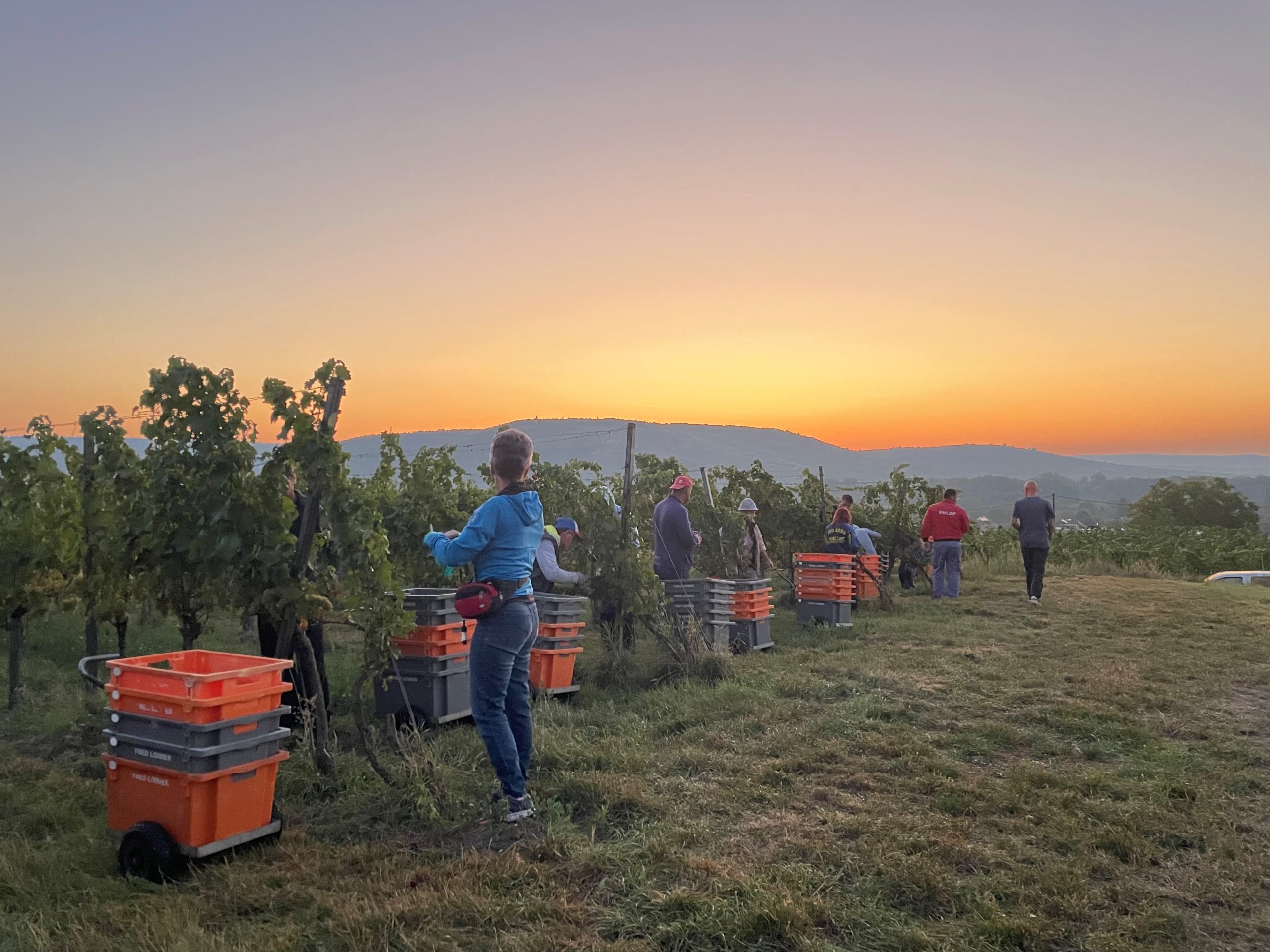
Noch gibt es kühle, klare Morgenstunden im Weingarten, und wenn dann die Sonne am Horizont steht, freuen wir uns auf das was vor uns liegt.
Die Kraft des Sommers ist auch bei uns am Weingut zu spüren: mit Mut blicken wir in die Zukunft. Von der Polykrise sprechen ja derzeit (fast) alle und es fällt schwer, da nicht hinein zu kippen. Doch wir gehen einen anderen Weg ein, und das ganz bewußt.
Wir denken viel an die Zukunft und erkennen mehr und mehr, daß der von uns vor 20 Jahren eingeschlagene Weg des bio-dynamischen Weinbaus zu regenerativem Denken und Handeln geführt hat. So stellen wir uns unserer Verantwortung, nachhaltig regenerativ, ressourcen-schonend und aufbauend zu arbeiten.
Im Frühjahr haben wir über 200 Bäume in einigen unserer Weingärten gepflanzt, um für mehr Biodiversität zu sorgen. Vitiforst wird das genannt und unser Ziel ist es der Rebe wieder einen Teil ihres ursprünglichen Habitats zu verschaffen.
Und so greifen wir auch zu Papier und Bleistift, um euch alle wissen zu lassen, daß wir hier nicht nur Wein pflanzen, Trauben lesen, und guten Wein keltern.
Wir wollen in Zukunft gemeinsam Raum schaffen für mehr regeneratives Denken und Handeln, nicht nur Bäume und Reben, sondern auch Ideen pflanzen, um gemeinsam positive Veränderungen zu kreieren. Aus unserer Sicht ist dies besonders wichtig für uns alle, um aktuellen und zukünftigen Herausforderungen zu begegnen und sie zu nutzen.
Wir freuen uns auf das was vor uns liegt, gemeinsam wollen wir neue Wege einschlagen. Unser „Forum-Regenerativ“ steht in den Startlöchern und wir freuen uns euch bald mehr drüber mitteilen zu können.
Gerne hören wir von euren Ideen und Gedanken.
Auf eine schöne und (bio)diverse Zukunft!
Langenlois – Kamptal, 30. Mai 2025
respekt-JOHANNI 2024
Biodynamie ist mehr als nur ein landwirtschaftliches Konzept. Es ist eine gesamtheitliche Lebenseinstellung im Einklang mit der Natur und ihren Zyklen. Und es ist Emotion, Begeisterung und ein Gefühl. Diese Begeisterung teilen wir ganz besonders gerne rund um JOHANNI, einem wichtigen biodynamischen Tag um die Sommersonnenwende.
Unter allen bisherigen JOHANNI Festen darf dieses herausstechen:
Es war eine ZEITREISE
100-60-25-15
…eine Reise, die vor 100 Jahren begann, zurück ins Jahr 1924, der Beginn der Biodynamie.
… eine Reise, 60 Jahre zurück, zum Juni 1964, Freds Geburtsjahr.
… eine Reise, bei der wir auf 25 Jahre Weingut Loimer an seinem heutigen Standort zurückblicken.
… eine Reise, die auch zur Geburtsstunde von respekt-BIODYN vor 15 Jahren geführt hat.
Wir haben Weine verkostet, die uns nicht nur dankbar zurückblicken lassen, sondern uns auch über die Zukunft und Perspektiven des Weines und der Biodynamie ausgetauscht. Dabei ist uns Offenheit, Neugier und Mut für neue Wege besonders wichtig, denn Biodynamie heißt immer auch Weiterentwicklung. In diesem Sinne tragen wir viel Verantwortung, für die Naturreiche Boden, Pflanze, Tier und Mensch in Zusammenhang mit unserem holistisch zu sehenden Kosmos. Dies bedeutet für uns ökologische, ökonomische, gesellschaftliche, und emotionale Nachhaltigkeit.
So werden wir den derzeitigen und zukünftigen Herausforderungen mit zukunftweisenden Ideen und Methoden entgegentreten.
Es war ein großartiges Fest und unser Dank gilt all unseren Gästen, Freunden, Partner: innen und Mitwirkenden und wir freuen uns mit Euch allen der Zukunft gemeinsam zu begegnen!
Tauchen Sie ein in die Zeitreise und erleben Sie das Gefühl von JOHANNI 2024.
Rebsorten und Ausbaustile kommen und gehen, doch der Boden bleibt, schreibt Fred Loimer, der im Herkunftsmarketing eine große Chance und Zukunft sieht.
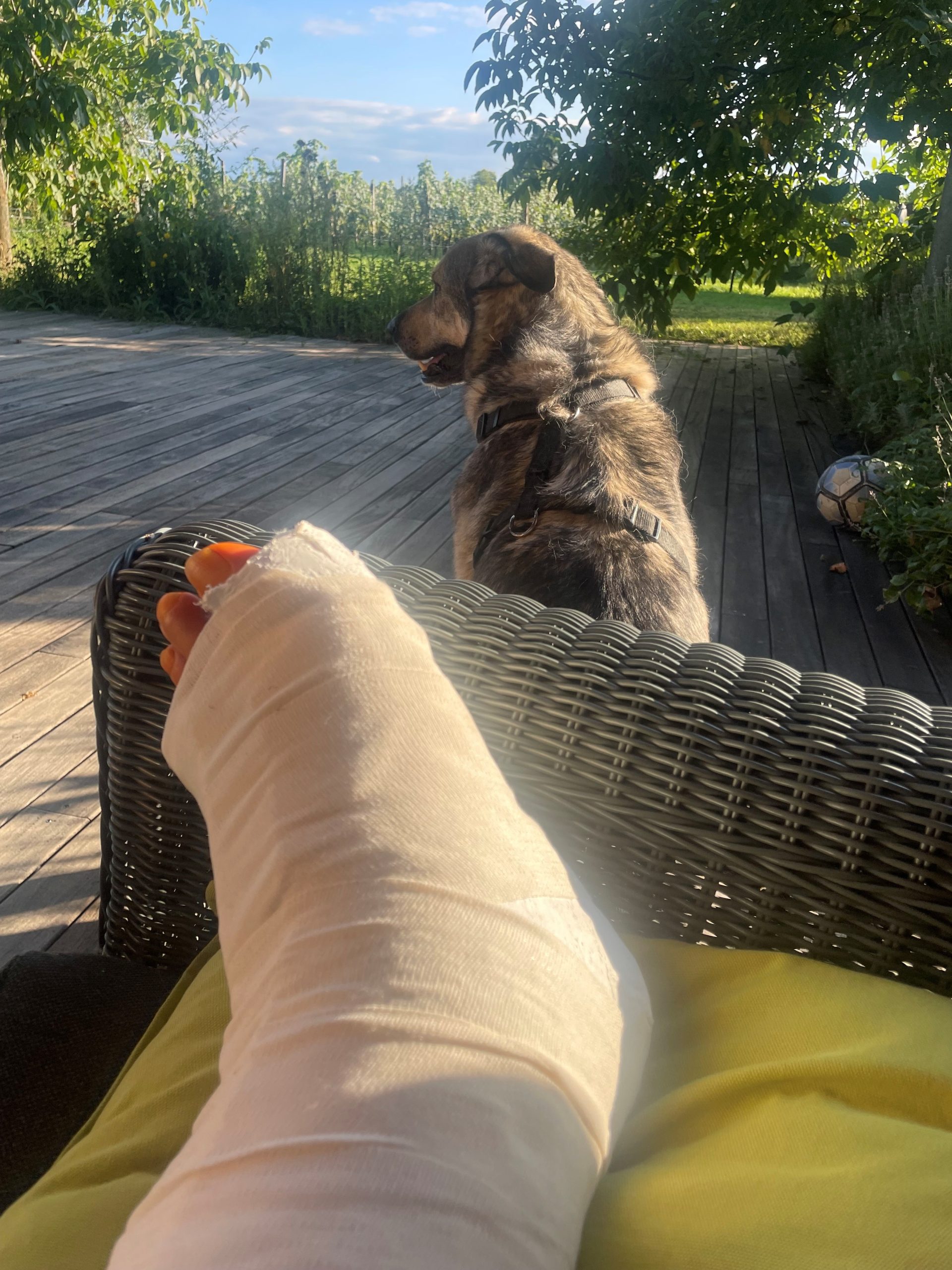
Alles lief perfekt bis zum 2. September, 9 Uhr morgens. Fred Loimer hat sich beim Spaziergang mit seinem Hund Bruno das Bein gebrochen und am 13. September verursachte ein überraschendes Hagelunwetter einen Schaden von ca. 30%. Ein sehr ereignisreicher Start für die Ernte 2023…
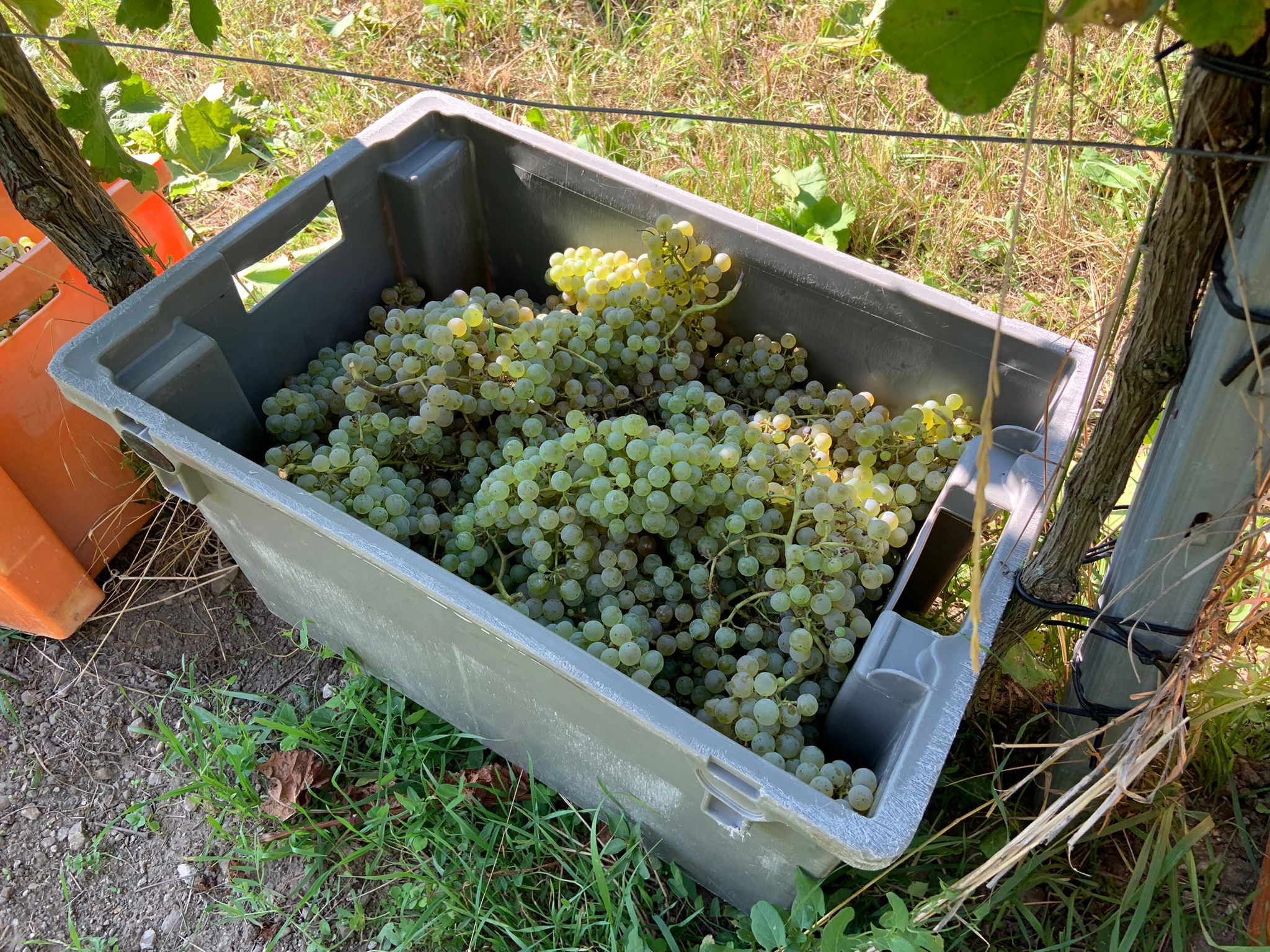
Die Trauben für Pet Nat und Sekt sind da. Wir haben heute, 21. September, mit der Ernte von Grüner Veltliner für Kamptal begonnen. Die Wettervorhersage ist großartig, kein Regen in den nächsten 2 Wochen, somit sollten wir in ca. 3,5 Wochen die Lese abschließen können.
Fred Loimer im Interview mit Wolfgang Staudt
„Fred Loimer – auf leise, subtile und wahrhaftige Art große Spuren hinterlassen“
Wir verwenden Cookies, um sicherzustellen, dass wir Ihnen die beste Erfahrung auf unserer Website bieten können. Wenn Sie diese Website weiterhin nutzen, gehen wir davon aus, dass Sie damit einverstanden sind.OkDatenschutz